Yankee Doodle
Yankee Doodle|Yankee Doodle
Also known as: Yankee Doodle Dandy · Father and I Went Down to Camp

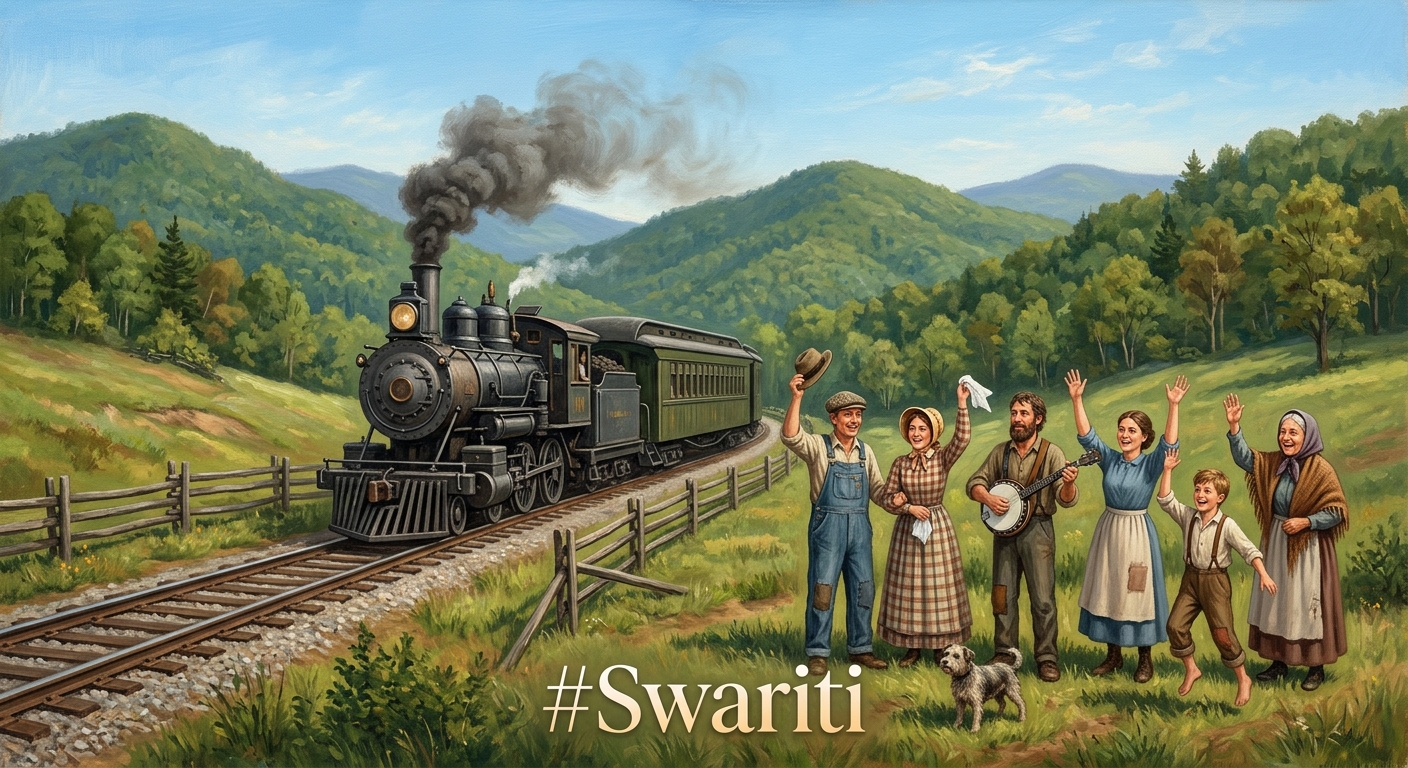
Cover image generated by AI · #Greetingify · #SocialBotStudio
Father and I went down to camp,Along with Captain Gooding,And there we saw the men and boysAs thick as hasty pudding.
Yankee Doodle went to town,A-riding on a pony,Stuck a feather in his cap,And called it Macaroni.
And there was Captain Washington,Upon a slapping stallion,A-giving orders to his men,I guess there was a million.
Yankee Doodle went to town,A-riding on a pony,Stuck a feather in his cap,And called it Macaroni.
And then the fife and drum began,To play a martial ditty,I thought the music was so grand,I wished I had a kitty.
Yankee Doodle went to town,A-riding on a pony,Stuck a feather in his cap,And called it Macaroni.
The Colonel then, with sword in hand,All mounted on a charger,And gave the word to march along,As big as a house and larger.
Yankee Doodle went to town,A-riding on a pony,Stuck a feather in his cap,And called it Macaroni.
And there we saw a swamping gun,As big as a log of maple,Upon a little cart it stood,A load for father's cattle.
Yankee Doodle went to town,A-riding on a pony,Stuck a feather in his cap,And called it Macaroni.
And every time they shot it off,It took a horn of powder,And made a noise like father's gun,Only a nation louder.
Yankee Doodle went to town,A-riding on a pony,Stuck a feather in his cap,And called it Macaroni.
I saw a little barrel too,The heads were made of leather,They knocked upon it with a stick,To call the folks together.
Yankee Doodle went to town,A-riding on a pony,Stuck a feather in his cap,And called it Macaroni.
I saw a regiment marching by,I guessed it was a thousand,To every man a large bag full,I guess it weighed a hundred.
Yankee Doodle went to town,A-riding on a pony,Stuck a feather in his cap,And called it Macaroni.
They had some feathers on their hats,And some had colored clothes on,I guess they meant to make a show,They looked like folks from London.
Yankee Doodle went to town,A-riding on a pony,Stuck a feather in his cap,And called it Macaroni.
Father and I went down to camp, Along with Captain Gooding, And there we saw the men and boys As thick as hasty pudding. Yankee Doodle went to town, A-riding on a pony, Stuck a feather in his cap, And called it Macaroni. And there was Captain Washington, Upon a slapping stallion, A-giving orders to his men, I guess there was a million. Yankee Doodle went to town, A-riding on a pony, Stuck a feather in his cap, And called it Macaroni. And then the fife and drum began, To play a martial ditty, I thought the music was so grand, I wished I had a kitty. Yankee Doodle went to town, A-riding on a pony, Stuck a feather in his cap, And called it Macaroni. The Colonel then, with sword in hand, All mounted on a charger, And gave the word to march along, As big as a house and larger. Yankee Doodle went to town, A-riding on a pony, Stuck a feather in his cap, And called it Macaroni. And there we saw a swamping gun, As big as a log of maple, Upon a little cart it stood, A load for father's cattle. Yankee Doodle went to town, A-riding on a pony, Stuck a feather in his cap, And called it Macaroni. And every time they shot it off, It took a horn of powder, And made a noise like father's gun, Only a nation louder. Yankee Doodle went to town, A-riding on a pony, Stuck a feather in his cap, And called it Macaroni. I saw a little barrel too, The heads were made of leather, They knocked upon it with a stick, To call the folks together. Yankee Doodle went to town, A-riding on a pony, Stuck a feather in his cap, And called it Macaroni. I saw a regiment marching by, I guessed it was a thousand, To every man a large bag full, I guess it weighed a hundred. Yankee Doodle went to town, A-riding on a pony, Stuck a feather in his cap, And called it Macaroni. They had some feathers on their hats, And some had colored clothes on, I guess they meant to make a show, They looked like folks from London. Yankee Doodle went to town, A-riding on a pony, Stuck a feather in his cap, And called it Macaroni.
The lyrics are in English, so the 'translation' is a direct reproduction of the original text, preserving the historical spelling and phrasing.
Yankee Doodle is one of the most enduring and recognizable American patriotic songs, with roots stretching back to the mid-18th century. Its precise origin is debated, but it is generally believed to have been composed by a British army surgeon, Dr. Richard Shuckburgh, around 1755 during the French and Indian War. The original intent was to mock the unkempt and disorganized American colonial militia, with 'Yankee' being a derogatory term for New Englanders and 'Doodle' meaning a simpleton. The term 'Macaroni' referred to a fashionable, extravagant European dandy, highlighting the perceived provincialism of the Americans sticking a feather in their cap and thinking it made them stylish. Despite its satirical origins, the colonists famously adopted the tune and lyrics, transforming it into a defiant anthem of American patriotism during the Revolutionary War. They embraced the 'Yankee Doodle' identity, turning the insult into a badge of honor. The song was sung by American troops during battles, including the Siege of Yorktown, and became a symbol of American resilience and independence. Its simple, catchy melody and often humorous, self-deprecating verses resonated deeply with the common people, making it an accessible and powerful tool for morale and national identity building. Historically, 'Yankee Doodle' was performed with fife and drum, instruments central to military life in the 18th century. It was primarily a marching tune, sung by soldiers as they marched into battle or paraded. Over time, it transitioned into a broader folk song, performed in homes, schools, and public gatherings. It is often sung a cappella or accompanied by simple instruments like guitar, banjo, or piano. Its call-and-response potential, with a lead singer narrating the verses and a group joining in on the chorus, made it a lively communal song. Today, 'Yankee Doodle' remains a quintessential piece of American cultural heritage. It is widely taught to children in schools, sung at patriotic events, and often featured in historical reenactments. Its enduring popularity speaks to its role in shaping American identity and its ability to convey a sense of national pride and historical continuity. While its original context as a British mockery is often forgotten, its transformation into a symbol of American defiance and ingenuity continues to make it relevant. The song serves as a reminder of the nation's revolutionary spirit and its journey from colonial subject to independent power, making its preservation crucial for understanding American history and folk tradition.
Historical Background
Originated during the French and Indian War (mid-1700s) as a British mockery of American colonists. Adopted by American Patriots during the Revolutionary War (1775-1783) as an anthem of defiance and national identity.
Cultural Significance
A foundational piece of American folk music and patriotic heritage. It symbolizes the American spirit of turning adversity into strength and has played a significant role in shaping national identity. It is widely recognized and taught across generations.
Usage & Performance Context
Sung at patriotic events, national holidays (e.g., Fourth of July), historical reenactments, school programs, and informal gatherings. Historically, it was a marching song for soldiers.
What is the origin of the song 'Yankee Doodle'?
'Yankee Doodle' originated in the mid-18th century, likely around 1755, during the French and Indian War. It was purportedly composed by a British army surgeon, Dr. Richard Shuckburgh, to mock the American colonial militia for their perceived lack of sophistication and discipline.
What does 'Yankee Doodle' mean?
Originally, 'Yankee' was a derogatory term for New Englanders, and 'Doodle' meant a simpleton or fool. The line 'Stuck a feather in his cap, And called it Macaroni' refers to a 'Macaroni' being a fashionable, extravagant European dandy, implying the American militiaman was comically attempting to be stylish with a simple feather.
How did 'Yankee Doodle' become an American patriotic song?
During the American Revolutionary War, American colonists famously adopted the song, turning the British insult into a badge of honor. They sang it defiantly, transforming its satirical meaning into a symbol of American pride, resilience, and independence from British rule.
When is 'Yankee Doodle' typically sung today?
Today, 'Yankee Doodle' is widely sung at patriotic events, national holidays like the Fourth of July, historical reenactments, and in schools as part of American history and music education. It remains a popular children's song and a symbol of American heritage.
Is 'Yankee Doodle' in the public domain?
Yes, 'Yankee Doodle' is firmly in the public domain. Its origins predate modern copyright laws, and it has been freely published, performed, and adapted for centuries, making it accessible for all to use and enjoy.
Region
Language
English (Latin)
Themes
Contributor
Anonymous
Based on 0 ratings.